Pet-Friendly Homes: Air, Floor Care and Litter-Space Standards
Current independent lab rankings and public-health guidance reset priorities for pet-friendly homes
PetLife Design Lab
PetLife Curated · Editorial team
This review checks air purifier, robot floor-care and smart litter-system evidence. Beyond headline suction numbers, current products emphasize anti-tangle brushes, small-object avoidance, roller mopping and self-cleaning docks. Yet cohabitation still depends on source control, ventilation, layout and maintenance. No single appliance replaces those basics.
1. Air quality: source control and ventilation come first
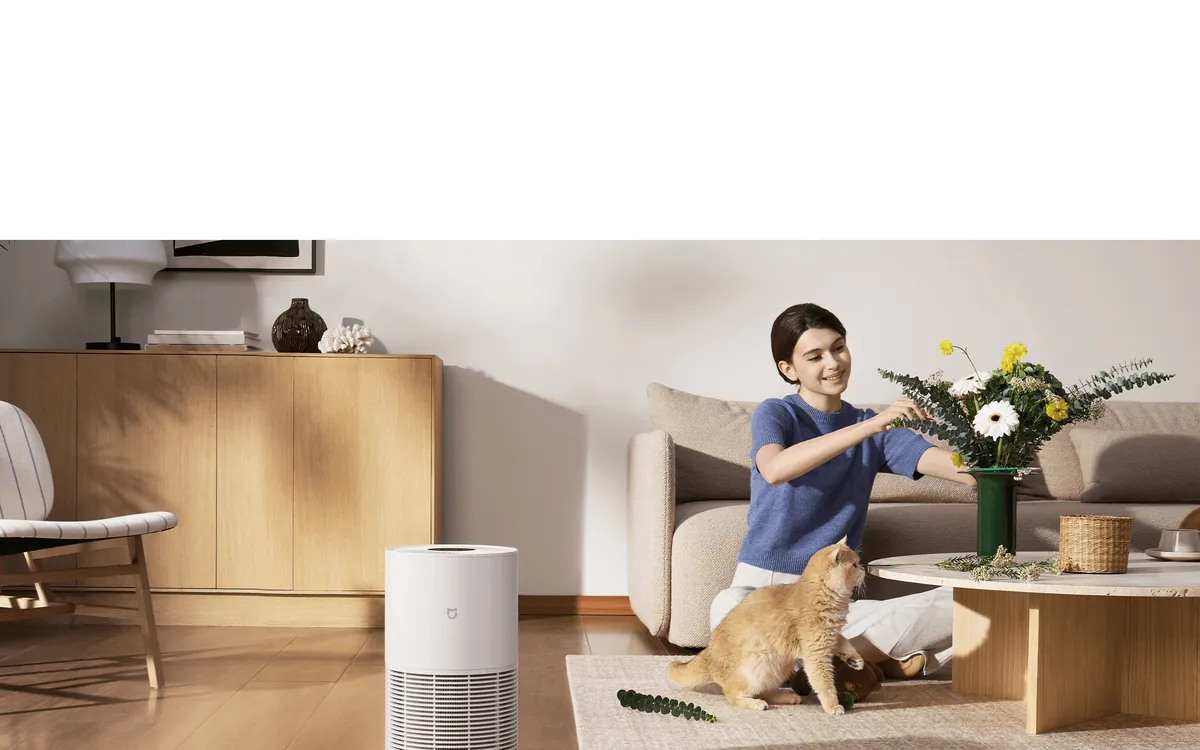
The U.S. EPA home-air sequence remains sound: reduce sources, ventilate when outdoor air is suitable, then use filtration as a supplement. In pet homes, a pre-filter catches hair, HEPA handles airborne dander particles, and a meaningful amount of activated carbon addresses some odors and gases. CADR measures particle clean-air delivery, not odor removal. Coverage claims may assume low air-change rates, so size against real room volume, the fan setting you can tolerate and actual noise.
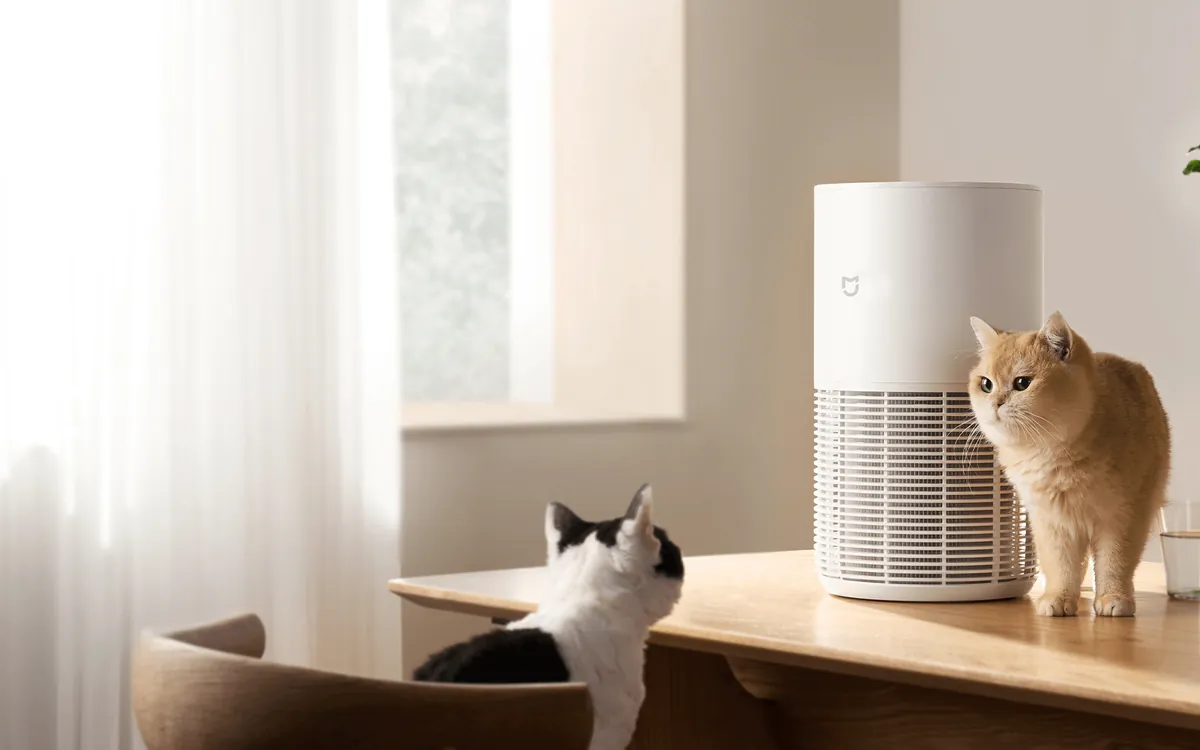
Three purifier checks for pet homes
Room-matched CADR
Size for the real room and usable fan speed
Cleanable pre-filter
Catch hair before it loads the main filter
Avoid intentional ozone
Favor mechanical filtration and check consumable cost
2. Robot cleaners: suction numbers do not equal pet-hair performance
RTINGS' ranking draws on more than 95 standardized tests and recommends the Roborock Saros 10R at the premium end for low-profile navigation, cable and toy avoidance, and broad cleaning ability. Vacuum Wars, drawing on more than 205 tested robots, highlights the Dreame L60 Ultra PE for pet homes: its protocol reported 100% pickup of flattened pet hair, no wrap in the long-hair test and avoidance of 21 of 24 obstacles. The labs use different methods, so scores are not directly comparable, but both show that brush design and measured avoidance matter more than peak suction.
Mid-range robots are rapidly gaining auto-emptying, mop lifting and anti-tangle systems. Check at least five measured outcomes: hair on hard floors, hair on carpet, edges, long-hair wrap and pet-waste-sized avoidance. Homes with untrained puppies or pets that vomit should not run robots fully unattended; clear high-risk areas even when avoidance scores are strong. Inspect dock wastewater and hair weekly, and clean trays, sensors and bearings monthly so automation does not simply become odor and failure.
3. Smart litter spaces: open design, safety thresholds and a backup box
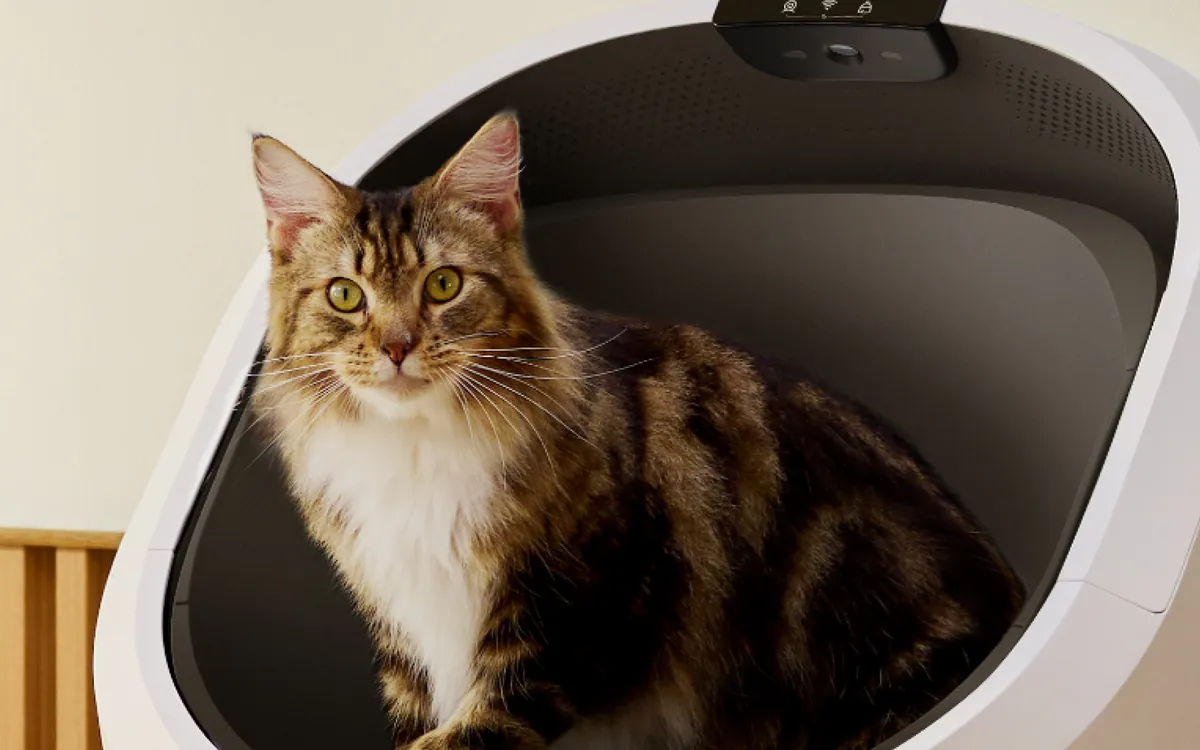
More products use open entries, layered weight plus vision or infrared detection, and logs for weight, frequency and visit duration. Open designs can make full exit easier to observe and may suit larger cats, but openness alone does not guarantee safety. Verify minimum detection weight, immediate motor cutoff on entry, reversal on obstruction, cleaning without internet, manual access without power, and whether health or recording features cost extra.
Changes in visit frequency can prompt attention but cannot distinguish urinary inflammation, stones, diabetes, kidney disease or behavioral stress. Cornell guidance is clear that repeated attempts with little or no urine can be an emergency. Multi-cat homes should retain enough conventional boxes in quiet, accessible and ventilated locations, with low entries for senior cats. A smart box should reduce scooping labor, not become the home's only toilet.
4. Layout and materials: make the cleaning path more reliable than devices
High-traffic pet zones benefit from scratch-resistant, low-absorption surfaces that tolerate damp wiping. Removable washable textiles beat fixed plush upholstery, and machine-washable low-pile mats beat large deep-pile carpets. Separate feeding, litter and sleeping zones, and map sensible no-go areas around water bowls, cables and litter entries. During renovation, reserved outlets, ventilation and removable cleaning trays often reduce long-term work more than another smart device.
The priority order is: control sources and design the cleaning path, size filtration by room, choose a robot with measured pet-hair and obstacle results, and only then consider a premium smart litter system. Include filters, subscriptions, dock cleaning and backup arrangements in long-term ownership cost; that is far closer to real experience than launch price alone.
Sources
Cross-checked independent reviews, official specifications and veterinary guidance
- Independent
The Best Robot Vacuums
RTINGS
- Independent
Best Robot Vacuums for Pet Hair
Vacuum Wars
- Independent
Air Purifiers for Pets Tested by Engineers and Home Experts
Good Housekeeping Institute
- Official
Guide to Air Cleaners in the Home
U.S. Environmental Protection Agency
- Veterinary
Feline Lower Urinary Tract Disease and Litter Management
Cornell Feline Health Center
PetLife · Lifestyle