
Evidence Review: Pet DNA, Wearables and Telehealth
Current evidence separates continuous monitoring and risk screening from claims that cannot replace diagnosis
PetLife Health Lab
PetLife Curated · Editorial team
The meaningful advance in pet health technology is not an 'AI veterinarian,' but the growing usefulness of continuous home data as clinical context. DNA reports, smart collars and telehealth address risk screening, trend monitoring and follow-up communication respectively. None can independently replace physical examination, laboratory testing or imaging.
1. DNA testing: broader reports still need confirmation
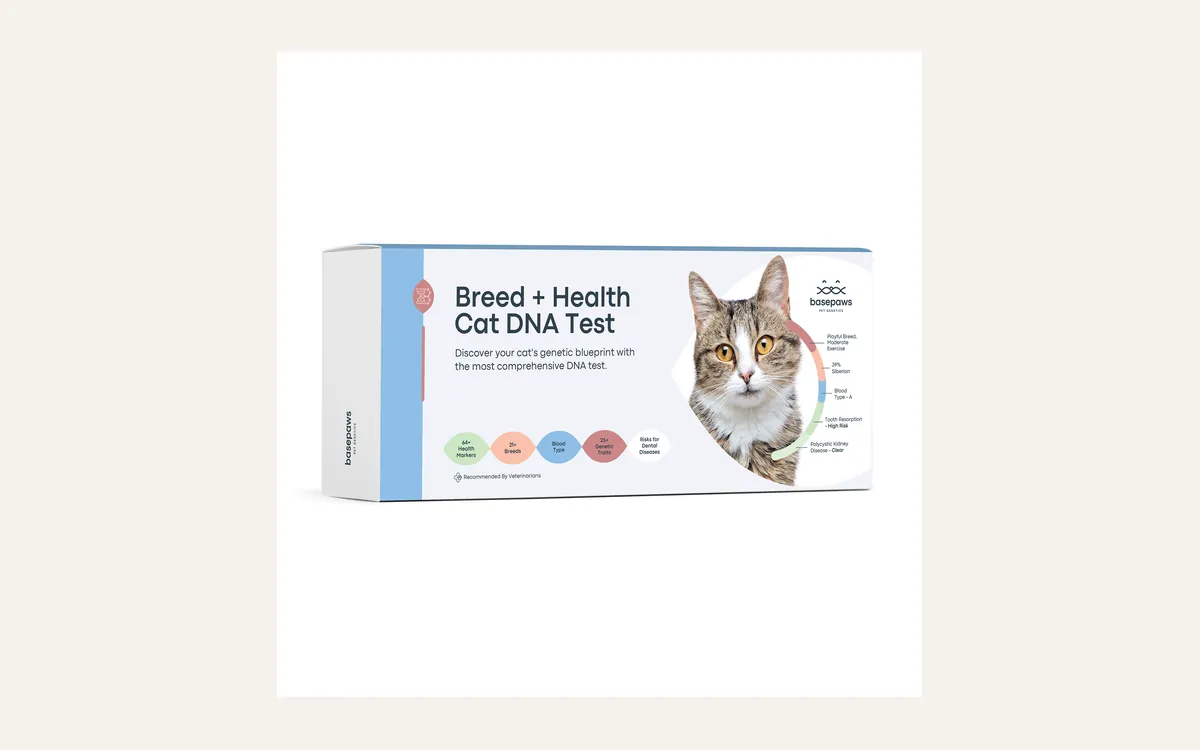
Current comparisons still treat Embark and Wisdom Panel as mature dog-market options, while Basepaws competes through broad marker coverage and a sequencing-based approach. Bigger counts do not automatically mean greater clinical value: breed calls depend on proprietary reference populations, and a risk variant may be interpretable only for particular breeds, inheritance patterns or clinical contexts. Before medication, breeding, surgery or another irreversible decision, share the report with a veterinarian and confirm a positive variant through a qualified laboratory when appropriate.
How to use a DNA report
Check variant evidence
Verify breed relevance, inheritance and validation
Record, not verdict
Add to the record with symptoms and family history
Confirm major decisions
Confirm material positives with a qualified lab
2. Wearables: evidence supports trends, not isolated readings
A recent open study compared a Maven smart collar with manually counted resting respiratory rate in dogs. Nineteen dogs produced 120 paired measurements; collar bias versus manual count was -0.78 breaths per minute, with 95% limits of agreement from -6.81 to 5.26. This supports assisted home monitoring while also showing why owners should verify alerts and let a veterinarian interpret them rather than treating one reading as a diagnosis.
A separate retrospective study of 1,803 dogs found that collar accelerometers could detect changes in scratching and licking around pruritus treatment. It supports behavior trends for follow-up, not independent diagnosis of the cause. Wearables are most useful for senior pets, cardiopulmonary follow-up, postoperative recovery and chronic skin disease: establish a stable baseline and investigate sustained deviations instead of chasing every fluctuation.
3. Choosing devices: location trackers and vital monitors differ
The Tractive DOG 6 combines GPS, activity, sleep and selected health trends in a lightweight tracker. PetPace 3.0 officially targets vital signs and disease management, including pulse, respiration, temperature and HRV, with higher device and subscription cost. Invoxia's 37 g Minitailz combines GPS with resting heart and respiratory rates, while full live location depends on the relevant plan. First define the problem as escape, activity change or chronic-care follow-up, then compare weight, fit, charging, cellular coverage, export and recurring cost.

4. Telehealth: strong for follow-up and triage, not skipping exams
Telehealth works well for wound follow-up, chronic-care adjustment within an established clinical relationship, result interpretation and triage. It is not a substitute for palpation, auscultation or testing when a pet has breathing difficulty, inability to urinate, persistent vomiting, seizures or major trauma. Rules for the veterinarian-client-patient relationship and remote prescribing vary by jurisdiction. A device alert accompanied by visible symptoms warrants direct care rather than waiting for an online reply.
Worthwhile health technology should export usable data, explain algorithm limits, support veterinary sharing and state clearly that it is not diagnostic. The sound workflow is: establish a baseline, verify sustained abnormalities, and let a veterinarian decide with history and examination. A collar, litter box or DNA report that claims to diagnose disease by itself should not drive medical decisions.
Sources
Cross-checked independent reviews, official specifications and veterinary guidance
- Independent
Best Dog DNA Tests: Comparison and Clinical Use Guidance
KnowYourDNA
- Veterinary
Maven Smart Collar Agreement With Manually Counted Resting Respiratory Rates
American Journal of Veterinary Research
- Veterinary
Accelerometers for Monitoring Canine Pruritus Treatment Effects
American Journal of Veterinary Research
- Official
PetPace 3.0 Health Collar Specifications
PetPace
- Official
Minitailz Health and GPS Specifications
Invoxia
- Veterinary
Veterinary Telemedicine and the VCPR
American Veterinary Medical Association
PetLife · Health Tech